


The advent of artificial intelligence (AI) is transforming industries, creating unprecedented opportunities and raising significant legal challenges. As AI continues to evolve, the legal profession must grapple with the implications of this technology in areas ranging from intellectual property rights to liability issues and beyond. This article explores the burgeoning legal landscape of AI, highlighting the key opportunities and challenges it presents.
Intellectual Property and AI
One of the foremost legal issues surrounding AI involves intellectual property (IP). As AI systems create new works or inventions, questions arise about copyright and patent rights. Who holds the rights to an AI-generated creation: the developer of the AI, the user, or the AI itself? The legal community is actively debating these questions, seeking to establish frameworks that encourage innovation while protecting rights.
Liability and Ethics
AI raises complex liability questions, particularly when it comes to autonomous vehicles, healthcare diagnostics, and other critical applications. Determining who is responsible when an AI system malfunctions or causes harm is a pressing challenge. Additionally, ethical considerations about privacy, surveillance, and decision-making by AI systems require careful legal scrutiny to protect individuals’ rights and freedoms.
Regulatory Compliance
As governments worldwide begin to introduce regulations governing AI use, compliance becomes a significant concern for businesses. Navigating this evolving regulatory landscape requires a nuanced understanding of both technology and law. Businesses must ensure their AI systems comply with regulations concerning data protection, privacy, and beyond, such as GDPR in the European Union.
Opportunities for the Legal Profession
AI also presents opportunities for the legal profession, offering tools to enhance legal research, document review, and case prediction. Leveraging AI can lead to greater efficiency and accuracy, transforming legal practice. However, this also necessitates ongoing education and adaptation by legal professionals to integrate AI into their work effectively.
Conclusion
The integration of artificial intelligence into various sectors poses unique legal challenges and opportunities. Addressing issues of intellectual property, liability, ethics, and regulatory compliance is crucial as we navigate this new terrain. Simultaneously, the legal profession must embrace the potential of AI to revolutionize legal practice. As AI continues to advance, the legal framework guiding its development and use will need to evolve, striking a balance between innovation and protection of public interest.

The legal landscape is undergoing a seismic shift with the advent of virtual courtrooms and the increasing reliance on digital evidence, marking a pivotal evolution in the practice of litigation. This transformation is not just a temporary response to global challenges but a forward-looking approach that could redefine the future of legal proceedings. This article explores the implications of these changes for the legal profession, the justice system, and the broader societal context.
The Rise of Virtual Courtrooms
The concept of virtual courtrooms gained unprecedented momentum due to the necessity for continuity in legal proceedings during global disruptions. However, what emerged as a stopgap measure has showcased potential long-term benefits, including increased efficiency, reduced costs, and greater accessibility to justice. Virtual hearings allow for flexibility, save travel time and expenses, and make court proceedings more accessible to a wider audience, including those with mobility issues or residing in remote areas.
Digital Evidence: The New Norm
Alongside the shift towards virtual courtrooms, there's an increasing reliance on digital evidence. In today's digital age, where much of our communication, transactions, and even personal activities are conducted online, digital evidence has become more prevalent in legal cases. From emails and text messages to social media posts and digital transaction records, the scope of what constitutes evidence has expanded significantly. This shift requires legal professionals to be proficient in the nuances of collecting, preserving, and presenting digital evidence in court.
Implications for the Legal Profession
- Technical Skills: Legal professionals must now possess a robust set of technical skills alongside traditional legal expertise. Understanding the intricacies of digital evidence, cybersecurity measures, and virtual courtroom technology is becoming indispensable.
- Cybersecurity and Privacy: With the digitization of evidence and online court proceedings, ensuring the security and privacy of sensitive information is paramount. Legal practitioners must navigate the complexities of cybersecurity to protect client confidentiality and maintain the integrity of the judicial process.
- Accessibility and Inclusion: Virtual courtrooms have the potential to make the justice system more accessible and inclusive. Legal professionals must advocate for and implement practices that ensure equal access to justice for all, particularly for those who might be disadvantaged by the digital divide.
- Ethical Considerations: The digital transformation of litigation introduces new ethical challenges, including the authenticity and tampering of digital evidence, ensuring fair access to virtual proceedings, and maintaining courtroom decorum in a virtual environment.
The Future of Litigation
The future of litigation lies in striking a balance between leveraging technological advancements and upholding the principles of justice, fairness, and accessibility. Hybrid models, combining in-person and virtual elements, may become the norm, offering flexibility and efficiency while preserving the solemnity and procedural rigor of traditional courtrooms.
Conclusion
The transition to virtual courtrooms and the integration of digital evidence into legal proceedings are shaping the future of litigation. This evolution presents opportunities to enhance the efficiency, accessibility, and inclusivity of the legal system. However, it also requires legal professionals to adapt to new technologies, address cybersecurity and privacy concerns, and navigate ethical dilemmas. As the legal landscape continues to evolve, embracing these changes while maintaining the core values of the justice system will be critical for ensuring that technology serves to enhance, rather than undermine, the pursuit of justice.

In the digital era, where data flows across borders with ease, understanding the impact of the General Data Protection Regulation (GDPR) on international data transfers is crucial for businesses operating in or with the European Union (EU). The GDPR, a landmark privacy law that came into effect in May 2018, has set stringent standards for data protection, fundamentally changing how personal data is collected, stored, and shared globally. This article delves into the nuances of GDPR's impact on international data transfers, offering insights and strategies for compliance and secure data handling.
The GDPR and International Data Transfers: A Paradigm Shift
The GDPR introduced strict rules for transferring personal data outside the EU, aiming to ensure that the level of protection guaranteed by the GDPR is not undermined. It affects a wide range of organizations, from multinational corporations to small and medium-sized enterprises that process EU residents' data, regardless of the company's location.
Understanding the Legal Framework
- Adequacy Decisions: The European Commission can decide if a non-EU country ensures an adequate level of data protection, comparable to the GDPR. Transfers to these countries require no additional safeguards.
- Standard Contractual Clauses (SCCs): For countries without an adequacy decision, SCCs offer an alternative mechanism. These are pre-approved legal contracts that ensure both parties adhere to EU data protection standards.
- Binding Corporate Rules (BCRs): Multinational companies can use BCRs for internal transfers within their corporate group. BCRs are personalized to the company’s data processing activities and require approval from the relevant data protection authority.
- Exceptions: In limited circumstances, the GDPR permits data transfers based on specific exceptions, such as explicit consent from the data subject or the necessity of the transfer for important reasons of public interest.
The Impact on Global Data Practices
The GDPR has necessitated significant changes in how businesses handle data internationally. Compliance is not optional; it's a prerequisite for operating in or with the EU market. The regulation has prompted organizations worldwide to scrutinize their data protection measures, leading to widespread updates in privacy policies, data processing agreements, and IT security protocols.
Strategies for Compliance
- Conduct Data Mapping: Understand where and how personal data is collected, processed, and stored in your organization. Data mapping is a critical first step in identifying cross-border data transfers and assessing compliance needs.
- Evaluate Transfer Mechanisms: Determine the most appropriate transfer mechanism for your organization’s needs, whether it’s adequacy decisions, SCCs, BCRs, or another legal basis under GDPR.
- Implement Robust Data Protection Measures: Ensure that your data protection measures meet GDPR standards. This includes encryption, anonymization of personal data, and strict access controls.
- Stay Informed on Legal Developments: The legal landscape for international data transfers is evolving, with ongoing negotiations for adequacy decisions, updates to SCCs, and legal challenges. Staying informed is key to maintaining compliance.
Conclusion
The GDPR has set a new global standard for data protection, significantly impacting international data transfers. Compliance requires a thorough understanding of the regulation, a strategic approach to data handling, and a commitment to maintaining high levels of data protection. By adopting comprehensive privacy measures and staying abreast of legal developments, businesses can navigate the complexities of GDPR, ensuring secure and compliant international data flows. The implications of GDPR extend beyond the EU, influencing data protection practices worldwide and underscoring the importance of privacy in the digital age.

In today's digital age, social media is not just a tool for personal expression but a significant aspect of professional life, including the legal sector. As lawyers and law firms increasingly turn to platforms like LinkedIn, Twitter, and Facebook to engage with clients, network, and even market their services, understanding the legal considerations of social media use becomes paramount. This article delves into the key legal aspects professionals should be aware of to navigate the social media landscape effectively and ethically.
Understanding Professional Responsibility on Social Media
The first step in navigating social media as a legal professional is recognizing that the same standards of professionalism and ethical conduct apply online as they do in traditional interactions. Posts, comments, and interactions on social media platforms should always reflect the high standards expected in the legal profession. It’s crucial to maintain client confidentiality, avoid misrepresentations, and steer clear of conduct that could be perceived as unprofessional or unethical.
Client Confidentiality and Privacy
One of the paramount concerns for legal professionals on social media is the protection of client confidentiality and privacy. The casual nature of social media can sometimes lead to inadvertent disclosures of client information. Legal professionals must exercise caution and always consider the implications of sharing any information that could potentially relate to client matters, even if it seems innocuous or indirect.
Advertising and Solicitation
Many law firms use social media as a tool for marketing and client outreach. However, it’s essential to comply with the American Bar Association's rules and any state-specific regulations regarding advertising and solicitation. Ensure that your social media content is honest, not misleading, and clearly identifiable as an advertisement when necessary. Avoid making any guarantees about outcomes and always include disclaimers where appropriate.
Endorsements and Testimonials
Social media platforms often allow for endorsements or testimonials from clients or peers. While these can be valuable for building credibility, they also come with ethical considerations. It's important to ensure that any endorsements or testimonials are truthful, not misleading, and do not create unjustified expectations. Additionally, lawyers should be wary of inadvertently establishing client-lawyer relationships through interactions on social media.
Engagement and Public Commentary
Legal professionals engaging in discussions or commentary on legal issues on social media must be careful not to offer legal advice, which could inadvertently establish a client-lawyer relationship or breach confidentiality agreements. It’s advisable to include disclaimers stating that content shared on social media is for informational purposes only and not legal advice.
Staying Current with Ethical Guidelines
As social media evolves, so do the ethical guidelines governing its use by legal professionals. Staying informed about the latest developments in social media ethics and compliance is crucial. This might involve regularly reviewing the ethical guidelines issued by professional bodies and seeking continuing legal education on the subject.
Conclusion
Social media offers legal professionals a powerful platform for communication, networking, and marketing. However, navigating the legal landscape of social media requires a careful balance between leveraging these tools effectively and adhering to the ethical and professional standards of the legal profession. By understanding and applying the considerations outlined above, lawyers and law firms can harness the power of social media while mitigating risks and upholding their duties to clients and the profession.

In an era where data breaches are not just a possibility but a regular occurrence, cybersecurity has become a cornerstone of legal practice. For lawyers and law firms, the stakes are particularly high given the sensitive nature of the data they handle. Protecting this information isn't just a matter of client trust—it's a legal and ethical obligation. As we navigate this digital age, understanding and implementing robust cybersecurity measures is paramount for legal professionals.
The Critical Nature of Data Protection in Legal Work
Confidentiality is a fundamental principle of legal practice. Clients entrust lawyers with personal information, business secrets, and other sensitive data with the expectation of security and privacy. A data breach can not only erode this trust but also result in significant legal liabilities and damage to a firm’s reputation. Hence, adopting comprehensive cybersecurity protocols is not an option but a necessity for legal practitioners in today’s interconnected world.
Key Cybersecurity Strategies for Law Firms
- Secure Communication Channels: Ensure all communications with clients, whether through email, messaging apps, or video calls, are encrypted. Utilize secure platforms that offer end-to-end encryption to safeguard information exchange.
- Data Encryption: Encrypt all sensitive data, both at rest and in transit. Encryption acts as a critical line of defense, making data unreadable to unauthorized users.
- Regular Software Updates and Patch Management: Cyber threats evolve rapidly, and so do the software patches and updates designed to counter them. Regularly updating your systems and applications is crucial to protect against vulnerabilities.
- Advanced Threat Detection Systems: Invest in cybersecurity tools that offer real-time monitoring and threat detection. Early detection of unusual activities can be key to preventing a breach.
- Comprehensive Training for All Staff: Human error remains one of the leading causes of cybersecurity breaches. Regular, comprehensive training for all law firm staff can significantly reduce this risk, creating a culture of cybersecurity awareness.
- Multi-Factor Authentication (MFA): Implement MFA for accessing firm systems and data. MFA adds an extra layer of security by requiring two or more verification factors, making unauthorized access significantly more difficult.
- Cybersecurity Policies and Incident Response Plans: Develop and enforce firm-wide cybersecurity policies. Additionally, having a well-defined incident response plan ensures preparedness to effectively address and mitigate the impact of a data breach.
Navigating the Legalities of Cybersecurity
Beyond implementing technical safeguards, legal professionals must stay informed about the legal and regulatory landscape surrounding data protection. This includes compliance with laws and regulations such as the General Data Protection Regulation (GDPR) for firms dealing with EU citizens' data, and the California Consumer Privacy Act (CCPA) for those handling the data of California residents, among others. Understanding these regulations and integrating their requirements into your cybersecurity strategy is critical to maintaining legal compliance and protecting your firm from potential fines and legal action.
Conclusion
For lawyers and law firms, cybersecurity is an indispensable element of modern legal practice. By adopting a proactive approach to data protection, legal professionals can safeguard their clients’ information, comply with regulatory requirements, and protect their reputation. The path to robust cybersecurity involves continuous education, investment in technology, and a commitment to creating a culture of security awareness within the organization. In the digital age, a strong cybersecurity posture is not just a competitive advantage—it's a fundamental duty.

Embracing the Remote Work Revolution in Legal Practice
The concept of remote work, once a novelty, has cemented its place within the global workforce, and the legal profession is no exception. The shift toward virtual operations, accelerated by the global health crisis, has unveiled a new paradigm for law firms and legal practitioners. This transition not only challenges traditional work models but also opens a myriad of opportunities for innovation, flexibility, and expanded access to legal services. For legal professionals navigating this shift, understanding the dynamics of remote work is pivotal to harnessing its potential and maintaining a competitive edge.
Redefining Work Culture and Client Engagement
The transition to remote work necessitates a reevaluation of law firm culture and client engagement strategies. Virtual platforms have become the new courtrooms, negotiation tables, and client meeting rooms. This digital transformation requires a robust technological infrastructure, including secure communication channels, cloud-based document management systems, and virtual private networks (VPNs) to protect client confidentiality and ensure seamless operations. Law firms must prioritize digital literacy, ensuring that both lawyers and support staff are equipped with the necessary skills and tools to thrive in a virtual environment.
Flexibility and Work-Life Balance: The New Norm
One of the most touted benefits of remote work is the flexibility it offers, allowing legal professionals to manage their schedules more effectively and strike a better work-life balance. This flexibility can lead to increased job satisfaction, reduced burnout, and higher productivity. However, it also demands a high degree of self-discipline and time management skills. Lawyers must develop strategies to manage their workload effectively, setting clear boundaries between work and personal time to avoid the pitfalls of always being "on call."
Challenges and Solutions in Remote Legal Practice
While the benefits of remote work are plentiful, the model presents its own set of challenges. Data security is a paramount concern, with lawyers handling sensitive client information outside the traditional office environment. Law firms must implement stringent cybersecurity measures and educate their teams on best practices for data protection. Additionally, maintaining team cohesion and firm culture in a remote setting requires creative approaches, from virtual team-building activities to regular check-ins and virtual social events.
Regulatory Considerations and Ethics in a Virtual World
The legal profession is heavily regulated, and remote work does not exempt practitioners from their ethical obligations. Lawyers must navigate jurisdictional nuances, particularly when practicing across state lines or internationally. Compliance with professional conduct rules, client confidentiality, and data protection regulations remains crucial. Law firms should stay informed about regulatory changes affecting remote work and adopt policies that uphold the highest ethical standards.
The Future is Here: Adapting to Remote Work in Legal Practice
The shift towards remote work in the legal sector is more than a temporary adjustment; it's a transformative movement that redefines the practice of law. As legal professionals adapt to this new landscape, the focus must be on leveraging technology, fostering a culture of flexibility and inclusivity, and reimagining the delivery of legal services. The future of legal practice is dynamic, and embracing remote work is a critical step toward innovation, client satisfaction, and work-life harmony.
In summary, the remote work revolution presents an opportunity for the legal profession to evolve, enhancing efficiency, accessibility, and work-life balance. By addressing the challenges head-on and embracing the technological and cultural shifts, law firms and legal practitioners can thrive in this new era of legal practice.

The legal landscape is on the brink of a transformation, powered by artificial intelligence (AI) and machine learning. These technologies, once the domain of science fiction, are now becoming an integral part of our legal systems, promising to reshape everything from legal research to litigation strategies. This shift presents an exciting opportunity for legal professionals who are prepared to harness the potential of AI to enhance their practice and better serve their clients.
The Advent of AI in Legal Research
Legal research, a cornerstone of legal practice, is being revolutionized by AI. Traditional methods, often time-consuming and labor-intensive, are making way for AI-powered legal research tools that offer unparalleled efficiency and accuracy. These tools leverage natural language processing and machine learning to sift through vast legal databases, identifying relevant precedents and statutes with speed and precision. For lawyers, this means enhanced research capabilities, reduced turnaround times, and the ability to provide more informed advice to clients.
Predictive Analytics: A Game Changer for Litigation
Predictive analytics is another area where AI is making its mark. By analyzing historical data, AI algorithms can forecast litigation outcomes, offering insights into the likelihood of success for various legal strategies. This predictive power enables lawyers to make data-driven decisions, tailor their approaches, and advise clients with greater confidence. The adoption of predictive analytics in legal practice not only streamlines case preparation but also introduces a level of strategic foresight previously unattainable.
Automating Routine Tasks: Efficiency Unleashed
The automation of routine legal tasks is yet another benefit of AI integration. From document review to contract analysis, AI can handle repetitive, time-consuming tasks with efficiency and accuracy, freeing up legal professionals to focus on more complex and strategic aspects of their work. This shift towards automation not only optimizes workflow but also significantly reduces the risk of human error, ensuring higher standards of accuracy and reliability in legal documentation.
Ethical Considerations and the Future of AI in Law
As AI continues to permeate the legal sector, ethical considerations come to the forefront. The use of AI raises questions about bias, transparency, and the potential for displacing legal jobs. Navigating these challenges requires a concerted effort from the legal community to develop guidelines and frameworks that ensure the ethical use of AI, safeguarding the principles of fairness and justice that underpin the legal profession.
Moreover, the evolving role of AI in law necessitates ongoing education and adaptation among legal professionals. Staying abreast of technological advancements, understanding the capabilities and limitations of AI, and embracing a mindset of continuous learning are crucial for lawyers aiming to leverage AI effectively in their practice.
Conclusion
The integration of AI into the legal profession heralds a new era of efficiency, precision, and strategic insight. As legal practitioners embrace AI, they unlock new possibilities for enhancing their practice, delivering superior client service, and navigating the complexities of the legal system with unprecedented ease. The future of law is undoubtedly intertwined with the advancement of AI, and for those ready to embark on this journey, the potential is limitless.
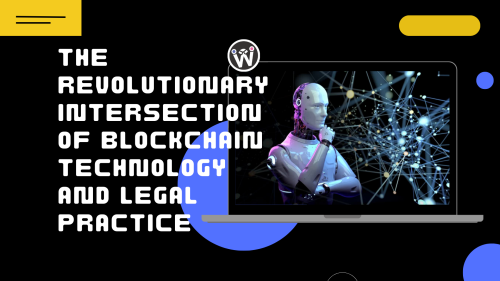
In the ever-evolving landscape of legal practice, blockchain technology emerges as a beacon of revolutionary potential, promising to reshape the bedrock of legal transactions, intellectual property management, and the safeguarding of sensitive data. This technology, once primarily associated with cryptocurrencies like Bitcoin, now stands at the cusp of transforming the legal industry in ways that were unimaginable a decade ago. Lawyers and legal practitioners, welcome to your primer on navigating this new frontier, where the realms of law and blockchain technology intersect in exciting and complex ways.
Understanding Blockchain's Core
At its heart, blockchain is a decentralized digital ledger that records transactions across multiple computers in such a manner that the registered transactions cannot be altered retroactively. This foundational aspect of blockchain—its immutability—lends itself to a myriad of applications in the legal field. From smart contracts that automatically execute upon certain conditions being met, to indisputable records of intellectual property rights, blockchain technology offers a new paradigm of transparency, efficiency, and security.
Smart Contracts: The New Legal Eagles
Imagine a world where contracts enforce themselves, where the ambiguity of terms and the potential for breach are significantly minimized. Welcome to the world of smart contracts—self-executing contracts with the terms of the agreement directly written into lines of code. These digital contracts run on blockchain technology, ensuring that they are immutable and distributed, thereby reducing the need for intermediaries and enhancing trust among parties. For lawyers, this means venturing into new territories of drafting and interpreting smart contracts, requiring a keen understanding of both the legal and technical nuances involved.
Intellectual Property Rights in a Digital Age
Blockchain technology offers a groundbreaking approach to managing and protecting intellectual property (IP) rights. By creating an immutable and transparent record of IP rights and transactions, blockchain provides a powerful tool for proving ownership, licensing, and transfers of IP. This not only simplifies the management of IP rights but also significantly reduces the potential for disputes. Legal professionals specializing in IP law must adapt to these changes, guiding clients through the maze of blockchain-based IP management and leveraging the technology to safeguard creative and intellectual assets like never before.
Data Security and Privacy: A Legal Conundrum
In an age where data breaches are rampant, blockchain presents a novel solution to the perennial challenges of data security and privacy. The decentralized nature of blockchain makes it resistant to hacking and unauthorized access, offering a robust platform for storing sensitive information, including personal data subject to privacy laws like GDPR. Legal professionals must navigate this new landscape, advising clients on integrating blockchain into their data protection strategies while ensuring compliance with evolving data privacy regulations.
Navigating Regulatory Waters
As blockchain technology continues to permeate various sectors, regulatory frameworks are evolving in response. Lawyers find themselves at the forefront of interpreting and shaping these emerging regulations, balancing innovation with legal compliance. This requires a proactive approach to legal education, staying abreast of developments in blockchain technology and its regulatory environment, and positioning oneself as a trusted advisor in this dynamic field.
Conclusion
The intersection of blockchain technology and legal practice heralds a new era of innovation, efficiency, and security. For legal professionals willing to embrace this change, the opportunities are boundless. Whether it's mastering the intricacies of smart contracts, navigating the complexities of blockchain-based IP rights management, advising on data privacy in the blockchain era, or shaping the regulatory landscape, the future of legal practice is here. And it's built on blockchain.
As we embark on this journey, the importance of continuous learning and adaptation cannot be overstated. The legal profession must rise to the occasion, leveraging blockchain technology to enhance the delivery of legal services and uphold the principles of justice in the digital age. Welcome to the future of law, where blockchain technology not only reshapes legal practices but also redefines the very fabric of legal transactions and rights protection in our increasingly digital world.

In today's rapidly changing legal environment, criminal defense attorneys face unprecedented challenges and opportunities due to the pervasive influence of social media. As platforms like Facebook, Twitter, Instagram, and TikTok become ingrained in our daily lives, they also weave complex new threads into the fabric of legal proceedings. This article delves into the transformative impact of social media on criminal defense, highlighting key strategies for navigating this new terrain, and underscores the critical importance of understanding digital footprints in building or dismantling a case.
The Digital Footprint: A Double-Edged Sword
Social media platforms have become treasure troves of information, where a single post, tweet, or share can serve as a pivotal piece of evidence. For criminal defense attorneys, understanding how to harness this digital footprint is paramount. On one hand, it can unearth evidence that underpins a client's alibi or disproves a prosecution's narrative. On the other, it can expose damaging information that must be meticulously managed in court.
Navigating Privacy Laws and Ethical Boundaries
The intersection of social media and the law is fraught with privacy concerns and ethical dilemmas. Defense attorneys must navigate these waters with caution, adhering to strict guidelines about how evidence can be obtained and presented. Understanding the evolving landscape of digital privacy laws is crucial, as is a keen awareness of the ethical boundaries governing the use of online information.
The Role of Social Media in Jury Selection and Sentiment
Jury selection has always been a critical phase in criminal trials, and social media has introduced a new dimension to this process. Attorneys now have the ability to glean insights into potential jurors' beliefs, biases, and behaviors through their online activities. Moreover, the court of public opinion, heavily influenced by social media, can impact the sentiment surrounding a case before it even reaches the courtroom. Defense strategies must account for this dual aspect of social media's influence.
Crafting a Defense in the Digital Age
To effectively defend clients in the digital age, attorneys must be adept at both traditional and modern investigative techniques. This includes deploying digital forensic experts to uncover, preserve, and analyze online content relevant to the defense. Moreover, it's essential to develop strategies that counteract the prosecution's narrative, potentially utilizing social media to present alternative viewpoints or evidence that supports the defense's case.
Educating Clients on the Perils of Social Media
A crucial aspect of criminal defense today involves educating clients about the potential perils of social media use, especially post-charge. Defense attorneys must advise clients on how to navigate their online presence, emphasizing the importance of privacy settings and the potential ramifications of their digital activities. In some cases, a complete social media blackout may be advisable until legal proceedings are concluded.
Conclusion: Adapting to the New Norm
The integration of social media into legal practices is no longer a future possibility—it's the current reality. Criminal defense attorneys must adapt to this new norm, embracing the tools and strategies that social media offers while remaining vigilant about the challenges it presents. As legal professionals navigate this evolving landscape, staying informed and agile will be key to leveraging social media's power in defense of their clients.
By marrying traditional defense tactics with an in-depth understanding of the digital world, attorneys can not only navigate the complexities of modern criminal defense but also set new precedents in the legal field. As we look to the future, it's clear that social media will continue to shape the legal landscape, making its mastery an indispensable part of any defense attorney's arsenal.
#LegalAdaptation, #CriminalDefenseStrategies, #DigitalFootprint, #SocialMediaEvidence, #PrivacyLaws, #EthicalBoundariesInLaw, #JurySelection, #CourtOfPublicOpinion, #DigitalForensic, #ModernInvestigativeTechniques, #ClientEducation, #SocialMediaAdvisories

In the sprawling expanse of the digital era, intellectual property (IP) law has taken center stage, becoming a critical area of concern for creators, entrepreneurs, and legal professionals alike. The advent of digital technologies has not only expanded the avenues for creativity and innovation but has also introduced complex challenges in protecting and enforcing intellectual property rights. As such, a comprehensive understanding of "intellectual property law" and "digital copyrights" is indispensable for lawyers navigating this modern landscape. This article aims to shed light on the nuances of intellectual property law in the digital era, offering insights into the evolving nature of digital copyrights and the implications for legal practice.
The Evolution of Intellectual Property Law
Intellectual property law, designed to protect the rights of creators and inventors, has undergone significant transformation in response to the digital revolution. The transition from tangible to digital mediums has blurred the lines of copyright infringement, making it increasingly difficult to monitor and enforce IP rights. Digital content, from software to multimedia works, can be copied, modified, and distributed globally with ease, raising pressing questions about the adequacy of traditional IP frameworks in the digital age.
The Challenges of Digital Copyrights
Digital copyrights present a unique set of challenges that require lawyers to rethink traditional approaches to IP protection. One of the foremost issues is the ease of unauthorized reproduction and distribution of digital works, which undermines the economic rights of copyright holders. The concept of fair use, while intended to allow certain liberties for the sake of innovation and free expression, often becomes a contentious area in the digital realm, complicating enforcement efforts.
Moreover, the global nature of the internet transcends geographic boundaries, implicating multiple jurisdictions and legal systems in cases of copyright infringement. Lawyers must navigate a complex web of international treaties and agreements, such as the Berne Convention and the Agreement on Trade-Related Aspects of Intellectual Property Rights (TRIPS), to effectively protect their clients' digital copyrights.
Adapting IP Strategies for the Digital Age
To address the challenges posed by digital copyrights, lawyers must develop adaptive strategies that leverage both legal mechanisms and technological tools. One approach is the utilization of digital rights management (DRM) systems, which control access to copyrighted digital content through technological restrictions. While DRM can offer a layer of protection, it also raises concerns regarding consumer rights and access to information, highlighting the need for a balanced approach.
Educating clients about the importance of proactive IP protection is another critical strategy. This includes advising on best practices for copyright registration, the use of copyright notices, and the negotiation of licensing agreements that explicitly define the terms of use for digital content. Additionally, lawyers should advocate for the implementation of robust monitoring systems to detect and address copyright infringements swiftly.
The Future of Intellectual Property Law in the Digital Era
As technology continues to evolve, so too will the landscape of intellectual property law. Emerging technologies like blockchain and artificial intelligence offer promising solutions for IP management and enforcement, from facilitating secure and transparent copyright registration to automating the detection of copyright infringements. Lawyers must stay abreast of these technological advancements and consider their implications for IP law.
Furthermore, the ongoing dialogue between stakeholders—from creators and tech companies to policymakers and legal professionals—will play a crucial role in shaping the future of digital copyrights. Collaborative efforts to reform IP laws and policies, ensuring they remain relevant and effective in the digital age, are essential.
Conclusion
Understanding intellectual property law in the digital era requires a nuanced appreciation of the challenges and opportunities presented by digital technologies. Lawyers specializing in IP law must navigate a rapidly changing landscape, armed with a deep knowledge of legal principles and a forward-looking approach to technology. By adopting innovative strategies and advocating for balanced copyright reforms, legal professionals can protect the rights of creators in the digital world while fostering an environment that encourages creativity and innovation.

In the rapidly evolving landscape of blockchain technology and cryptocurrency, legal professionals are finding themselves at the forefront of navigating through a maze of regulatory uncertainties and emerging legal challenges. This article aims to illuminate the legal implications of blockchain and cryptocurrency, focusing on critical areas under the umbrella of blockchain law and cryptocurrency legal issues.
Blockchain Law: A New Frontier
Blockchain law encompasses the legal frameworks and regulatory considerations related to blockchain technology and its applications, including smart contracts, digital assets, and decentralized finance (DeFi). As this technology transcends traditional borders and jurisdictions, lawyers are tasked with interpreting existing laws in the context of decentralized, immutable ledgers.
One of the most significant legal challenges is determining the jurisdictional boundaries applicable to blockchain transactions. Given the global, decentralized nature of blockchain, identifying the appropriate legal jurisdiction for disputes or regulatory compliance is complex. Lawyers must navigate through various national regulations and international treaties to advise clients effectively, often requiring a multifaceted understanding of technology and international law.
Another aspect under the spotlight is the enforceability of smart contracts. These self-executing contracts with the terms of the agreement directly written into code present a novel challenge. The legal community is debating whether smart contracts should be recognized as legally binding agreements under existing contract laws or if new legislative frameworks are needed to address their unique characteristics.
Cryptocurrency Legal Issues: Navigating the Regulatory Maze
The surge in cryptocurrency adoption has drawn significant attention from regulators worldwide, leading to a patchwork of regulatory approaches. Lawyers specializing in cryptocurrency legal issues must guide clients through the compliance requirements for initial coin offerings (ICOs), token sales, and cryptocurrency exchanges.
Anti-money laundering (AML) and combating the financing of terrorism (CFT) regulations are paramount concerns for businesses involved in cryptocurrency. Legal professionals must ensure that their clients implement robust compliance programs to meet the stringent requirements set forth by financial regulators, such as the Financial Action Task Force (FATF) and domestic financial intelligence units.
Taxation of cryptocurrencies is another evolving area. The decentralized nature of cryptocurrencies poses challenges for tax authorities in tracking transactions and enforcing tax obligations. Lawyers must stay abreast of the latest tax guidelines and rulings to advise clients on compliance and reporting requirements for cryptocurrency transactions.
The Future of Legal Practice in the Age of Blockchain and Cryptocurrency
The intersection of law and technology presents both challenges and opportunities for legal professionals. Staying informed about the latest developments in blockchain law and cryptocurrency legal issues is crucial for lawyers who wish to remain at the cutting edge of legal practice. As regulatory frameworks continue to evolve, the demand for legal expertise in navigating the complex legal landscape of blockchain and cryptocurrency is only set to increase.
In conclusion, the legal implications of blockchain and cryptocurrency are shaping a new era of legal practice. By understanding the intricacies of blockchain law and cryptocurrency legal issues, lawyers can play a pivotal role in guiding clients through the regulatory uncertainties and harnessing the opportunities presented by these revolutionary technologies. As we move forward, the collaboration between legal experts, technologists, and regulators will be key to fostering a secure and compliant digital future.

As the legal landscape in India navigates through the tumultuous waters of the 21st century, the role of The Advocates Act, 1961, in guiding the profession's evolution has never been more significant. With burgeoning legal technologies, shifting global dynamics, and an increasing emphasis on access to justice, the time is ripe for a reevaluation and reform of this cornerstone legislation. Legal professionals, policymakers, and the tech-savvy public are keenly watching the trajectory of these reforms, anticipating a modern legal framework that aligns with the needs of today's society.
Embracing Legal Tech Innovations
The digital revolution has permeated every facet of life, and the legal profession is no exception. From AI-driven legal research tools to blockchain for secure contract management, technology is redefining traditional legal practices. However, to fully harness these innovations, The Advocates Act, 1961, must evolve, incorporating provisions that not only recognize but also regulate the use of technology in legal practice. This includes establishing guidelines for virtual court proceedings, online dispute resolution, and the ethical use of artificial intelligence in legal analysis, ensuring that technology enhances rather than undermines the delivery of justice.
Globalization of Legal Practice
In an increasingly interconnected world, the practice of law can no longer be confined to national borders. Indian legal professionals frequently collaborate with international counterparts, navigating cross-border legal issues that demand a global understanding of the law. Reforms to The Advocates Act, 1961, could facilitate this global interaction, relaxing restrictions on foreign lawyers practicing in India and allowing Indian lawyers more freedom to engage in international legal matters. By aligning with global legal standards, India can enhance its position in the international legal arena, attracting foreign investment and fostering a more dynamic legal market.
Enhancing Access to Justice
At the heart of legal reform is the mission to ensure access to justice for all citizens. Despite significant advancements, a substantial portion of India's population remains underserved by the legal system. Modernizing The Advocates Act, 1961, to promote legal aid and pro bono services is crucial. This could involve mandating a certain number of pro bono hours for lawyers, supporting legal clinics in underserved areas, and leveraging technology to provide low-cost legal services to those in need. Such reforms would not only expand access to justice but also enrich the legal profession, embedding a culture of service and empathy within its ranks.
Fostering Legal Education and Specialization
The legal challenges of the 21st century require a new breed of lawyers—professionals who are not only well-versed in the law but also specialists in emerging fields such as cyber law, intellectual property, and environmental law. Reforms in The Advocates Act, 1961, could pave the way for a more specialized legal education, encouraging law schools to offer courses that cater to these evolving domains. Moreover, the act could introduce certification programs for legal specializations, ensuring that practitioners meet the highest standards of expertise and professionalism in their chosen fields.
Conclusion
The future of legal practice in India is on the cusp of a transformative era, driven by technological innovation, global integration, and a renewed commitment to justice for all. Reforming The Advocates Act, 1961, is imperative to this transformation, ensuring that the legal profession remains robust, responsive, and respected. As India looks to the future, the legal community, empowered by a modernized legal framework, stands ready to navigate the challenges ahead, driving social progress and upholding the rule of law in the digital age.